 By Yuval Strutti
AI agents for marketing are autonomous systems that can interpret customer signals, decide next-best actions, execute campaigns, and improve through continuous feedback.
Key Takeaways
- Agents automate high-volume marketing workflows while preserving strategic oversight
- Perception, reasoning, action, and adaptation create continuous optimization loops
- Personalization, dynamic ad control, and 24/7 engagement can raise ROI
- Bias, privacy, and compliance risks require active governance
- Future systems will be more autonomous, omnichannel, and creative
What are AI agents for marketing?
Unlike fixed rule-based automation, AI agents evaluate context in real time. They can run in autopilot mode or in assisted mode where teams keep approvals and checkpoints.
How AI agents in marketing work
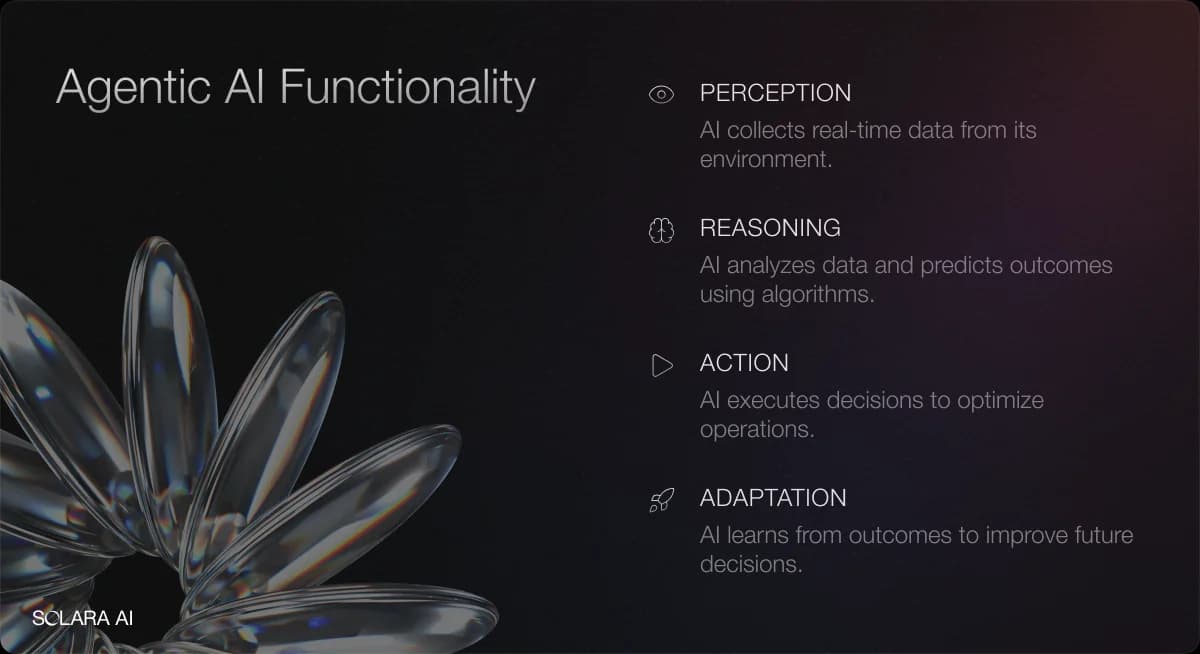
1. Perception
Agents ingest behavioral and campaign data from websites, ads, social channels, and CRM events to map customer state.
2. Reasoning
They evaluate potential actions against goals, performance baselines, and predictive signals to choose the most likely winning step.
3. Action
They execute in-channel actions such as personalized messaging, bid updates, retargeting changes, or routing qualified leads to sales.
4. Adaptation
After execution, agents evaluate outcomes and retrain decision logic so each cycle improves campaign performance.
Use cases of AI agents in marketing
Hyper-personalization and engagement

Agents can tailor copy, offers, and sequencing by behavior and intent, enabling one-to-one experiences that are not feasible manually.
Dynamic ad campaign management
Agents rebalance bids, creative, and audience segments in near real time, reducing wasted spend and accelerating win-rate discovery.
Real-time analytics and optimization
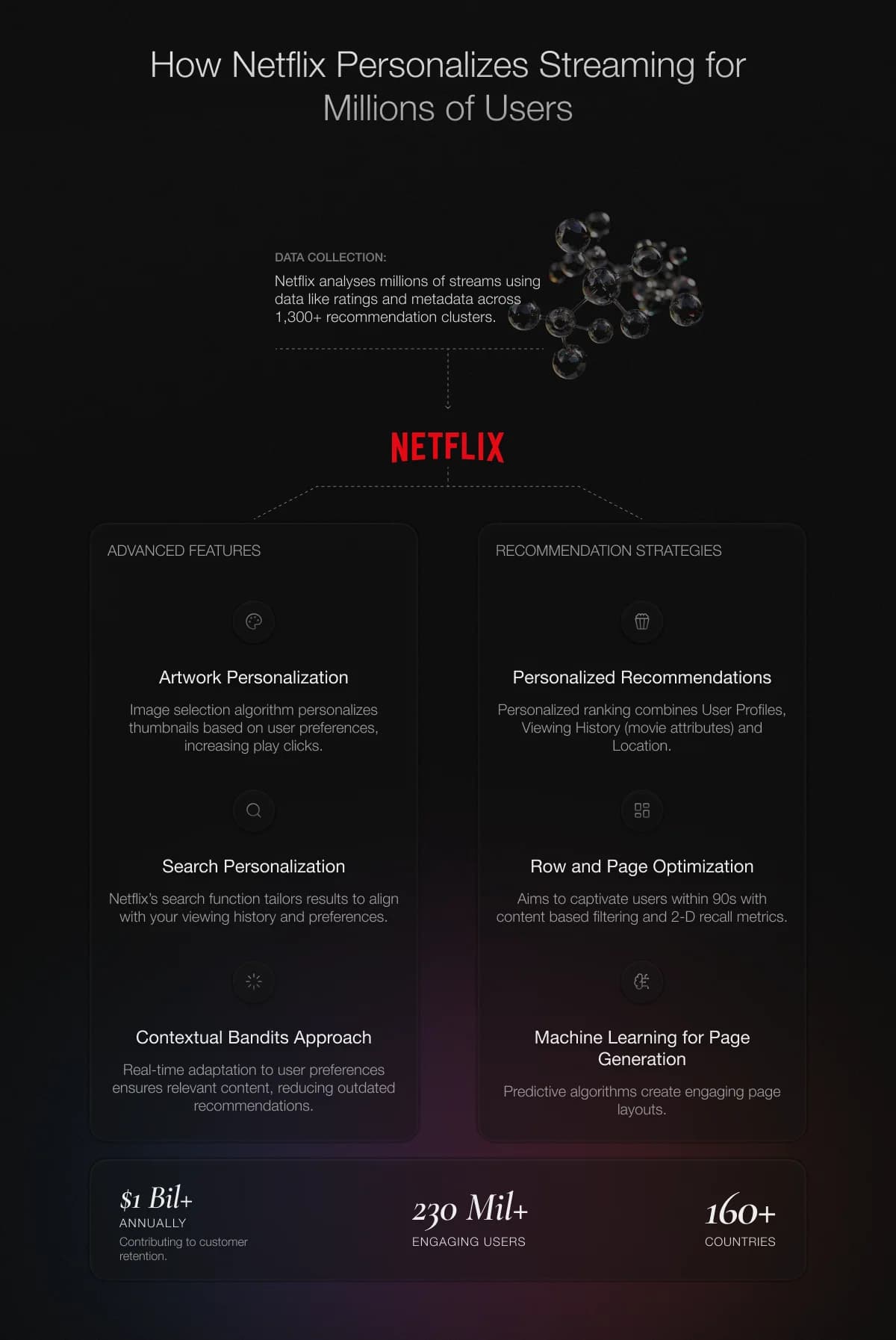
Always-on analysis identifies trend shifts early and supports proactive campaign corrections before performance degrades.
Conversational marketing with intelligent chatbots
Context-aware assistants can qualify demand, resolve objections, and progress prospects continuously across comments, DMs, and chat interfaces.
End-to-end marketing automation
Agents can own planning, creation, launch, and optimization loops while marketers focus on goals, positioning, and governance.
Multi-agent systems
Specialized agents for content, media buying, analytics, and engagement can collaborate to manage complex growth workflows with higher throughput.
Challenges when using AI agents
- Brand risk from incorrect or off-tone outputs
- Bias and fairness issues from skewed training data
- Privacy and regulatory non-compliance exposure
- Team enablement and change-management gaps
- Reputational damage from visible AI mistakes
Future trends for AI agents in marketing
- Generative AI as a core creative engine
- Hyper-personalization at every touchpoint
- Coordinated multi-agent orchestration
- Voice and text conversational control for operators
- Autonomous omnichannel campaign systems
Top tools to evaluate
- Solara AI
- Abyssale
- Creatify.ai
- SocialBee
- AdCreative.ai
To map these agent capabilities into an executable operating model, use the automation implementation guide for workflow sequencing. For platform-level requirements and evaluation criteria, the platform setup guide provides a practical decision framework.
Solara AI runs one loop end to end: it writes your scripts, texts them to you, edits the two minutes you film back, and publishes the result to TikTok, Instagram and Facebook.