 By Yuval Strutti
![Why Most AI Marketing Tools Fail [And What Actually Works]](/_next/image?url=%2Fblog%2Fimages%2F68f8e13ae23c3da82d408d1a_x8ELLUqpwwol28fmXWOMhjYzQHg.webp&w=3840&q=75&dpl=dpl_51TBxyqS9ifcYCNZoNXwLz1PPrbQ)
AI adoption keeps growing, but adoption alone does not guarantee business impact. Many teams automate tasks without enough context, strategic framing, or reliable feedback loops.
This is especially painful for non-marketers and small businesses, where tools often assume deep operator expertise in creative strategy, compliance, and experimentation.
The State of AI Marketing in 2025
- AI usage is widespread across business functions
- Market size is growing rapidly but estimates vary by source
- Many enterprise generative AI pilots still show limited P&L impact
- Platform and privacy changes keep targeting and measurement in motion
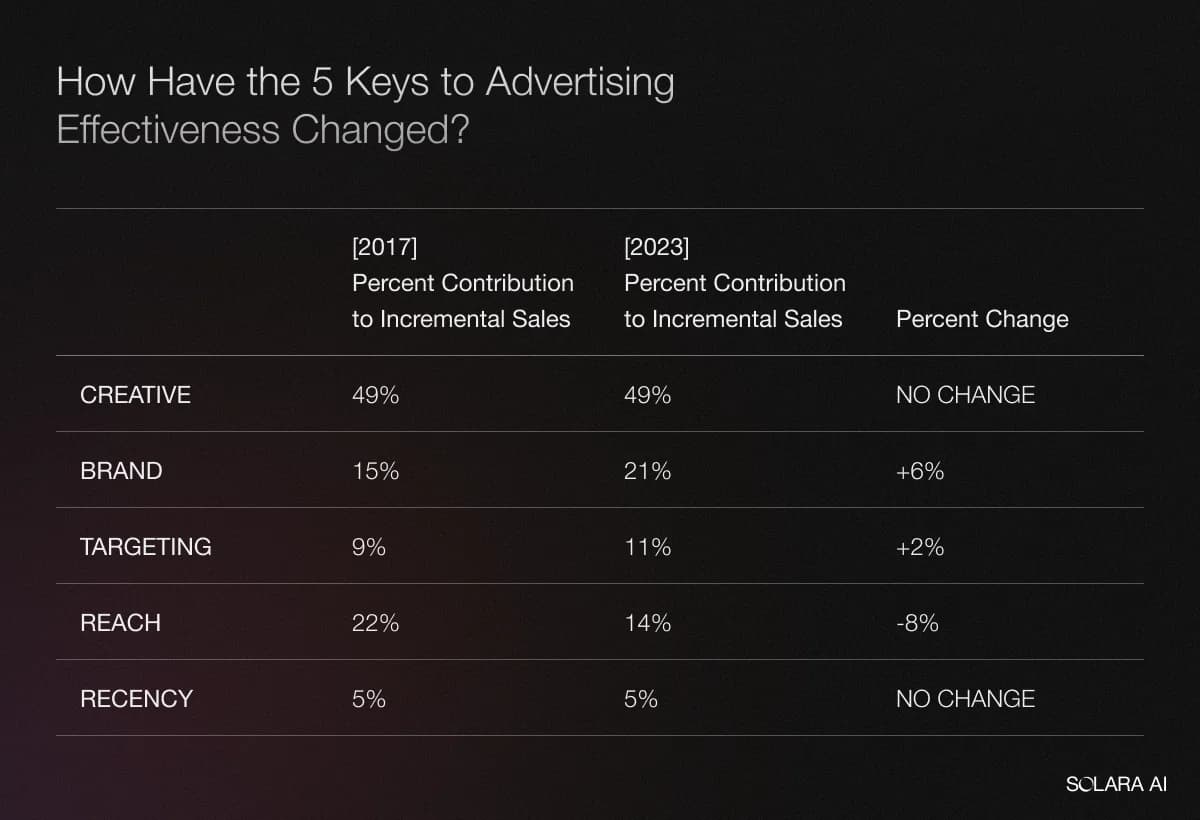
- Creative quality remains the dominant performance lever
Why AI Marketing Fails for Non-Marketers
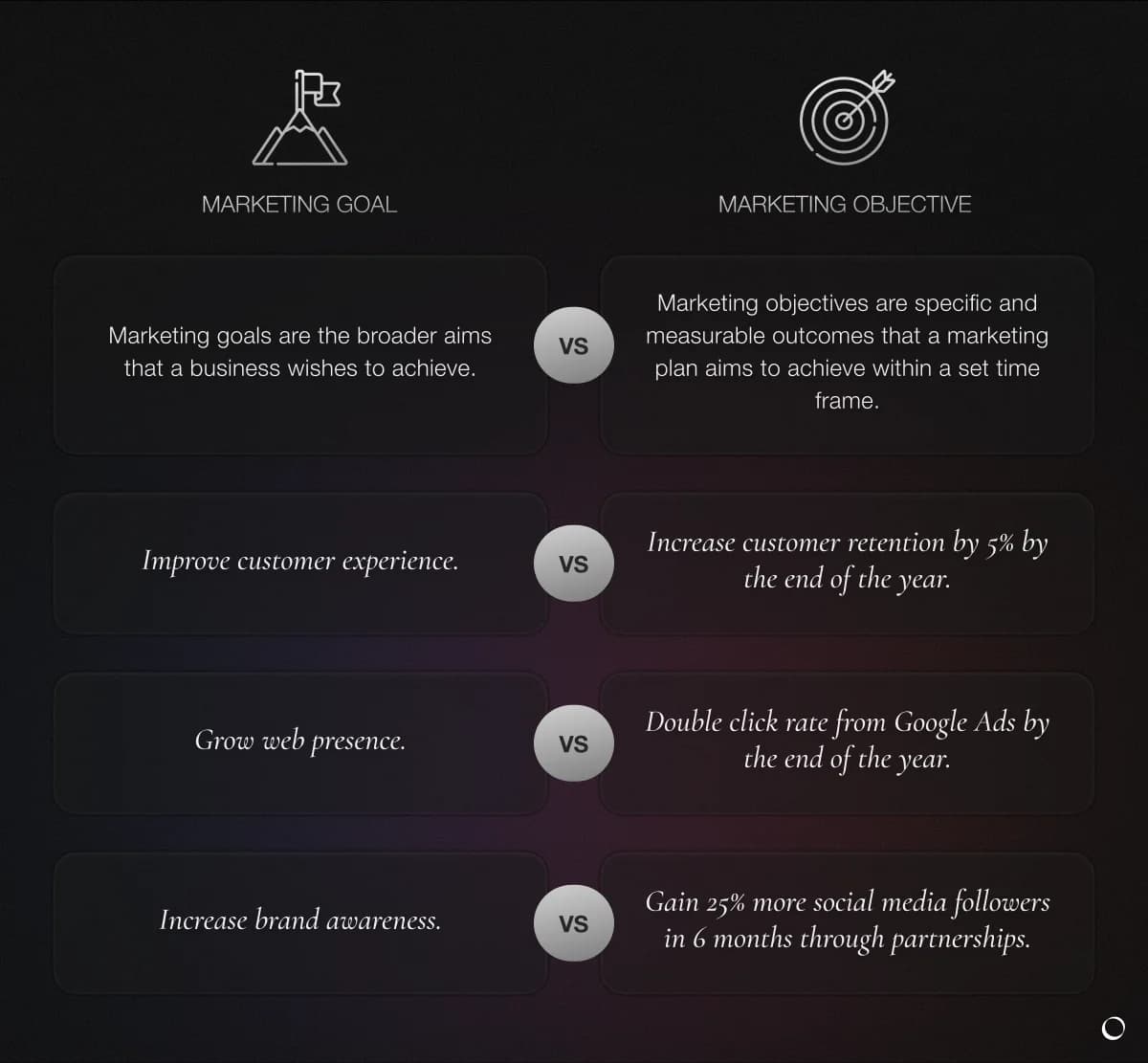
1. No clear objectives
Teams often deploy tools before defining measurable goals. Without outcome metrics, activity grows while impact remains unclear.
2. Too much automation, not enough context
One-click outputs can be fast but generic, and often miss offer clarity, local context, and audience nuance.
3. Template lock-in creates lookalike ads


4. Pricing models are hard to forecast
Credit-heavy pricing can make budgeting and experimentation unpredictable for small teams.
5. Weak testing loops
Without frequent refresh cycles and structured A/B plans, campaigns plateau even when tools generate a lot of assets.
6. Publishing bottlenecks
Manual export-and-upload steps slow test velocity and increase execution errors.
7. Compliance is treated as an afterthought
As enforcement increases around deceptive AI claims, lack of consent tracking, logging, and safety checks raises legal and platform risk.
What Actually Works in 2025
- Start with creative strategy, not template output
- Use realistic avatars and real environments to improve trust
- Keep planning and execution in one operating system
- Automate test loops and budget reallocation
- Prioritize native publishing and built-in safeguards
Lessons from the Field
Across retail, e-commerce, and global consumer brands, AI works best when it scales proven creative frameworks and preserves authenticity. It underperforms when used as a shortcut around strategy.
Where AI Marketing is Headed
As privacy rules tighten and audience standards rise, durable wins will come from systems that blend automation with context, and speed with governance.
Solara AI is positioned for this model with custom avatars, real-scene creative control, co-pilot/autopilot modes, and compliance guardrails.
FAQs
How fast can AI marketing campaigns show results?
Directional performance changes are often visible in 2-3 weeks with active testing, while stable optimization usually requires longer learning windows.
What drives ROI the most?
Creative quality remains the strongest contributor. Refreshing hooks, visuals, and offers on a regular cadence is critical.