 By Yuval Strutti
![17 Examples of AI in Marketing Automation [Best Results]](/_next/image?url=%2Fblog%2Fimages%2F68f8e13adaea8675c1307aed_2KSramsdSRmgSyFF7nYbTCEtG2s.webp&w=3840&q=75&dpl=dpl_51TBxyqS9ifcYCNZoNXwLz1PPrbQ)
AI-driven marketing automation has moved from experimentation to measurable business impact. Most businesses now use AI personalization, and teams applying AI in sales and marketing consistently report stronger ROI than those using traditional workflows.
This guide compiles 17 examples from global brands showing how AI is used across personalization, prediction, creative production, and campaign optimization.
Core pattern across all 17 cases: better relevance at scale, faster execution cycles, and tighter alignment between customer intent and message timing.
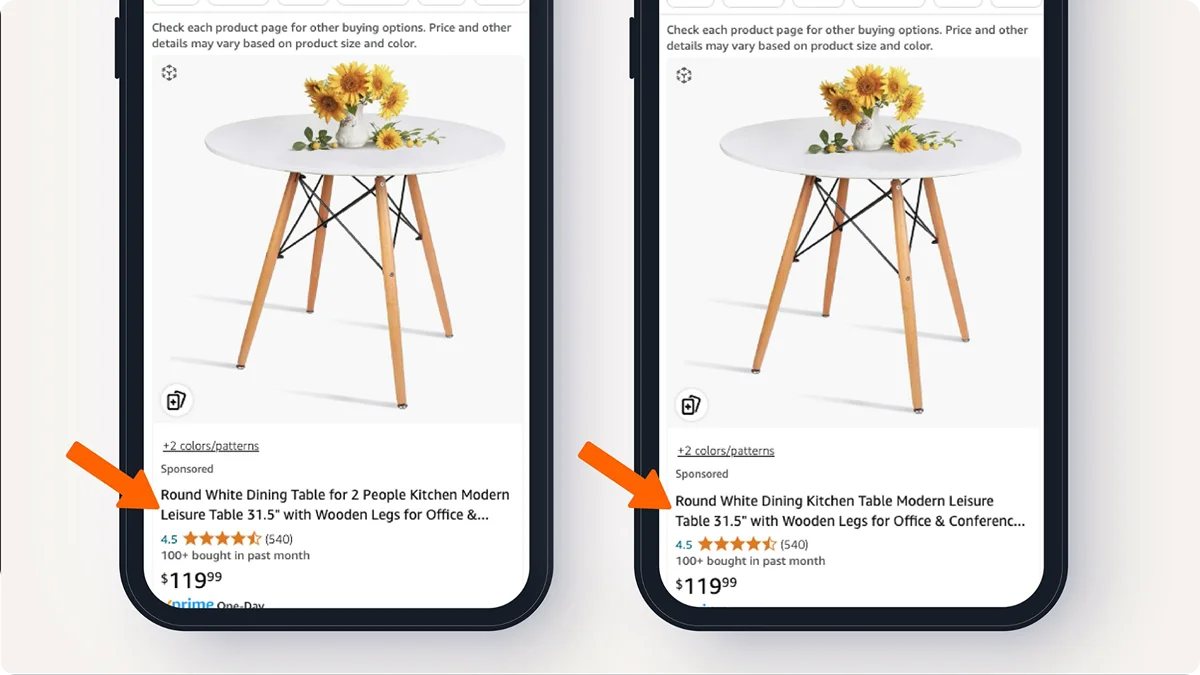
1. Amazon - Hyper-Personalization and Dynamic Pricing
Amazon combines behavior, purchase history, context, and demand signals to drive recommendations and dynamic pricing in near real time.
- 35% higher open rates for personalized emails
- 25% more click-throughs
- $2.9B annual revenue tied to personalization
- 15-25% profit margin gains from dynamic pricing
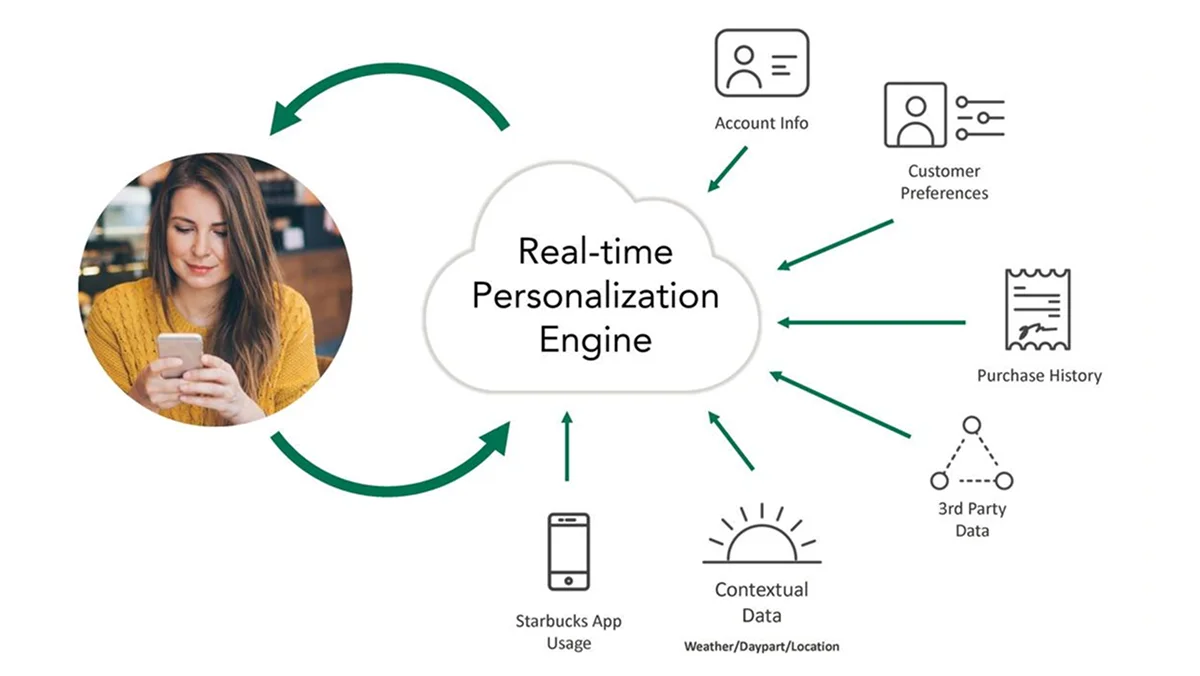
2. Starbucks - Predictive Analytics with Deep Brew
Starbucks uses predictive demand and contextual targeting to personalize offers, optimize inventory, and accelerate product development cycles.
- 6% same-store sales growth
- 18M active loyalty members
- 30% reduction in food waste
- Launch cycles reduced from 18 months to 6 months
3. Netflix - Recommendations as Automated Retention
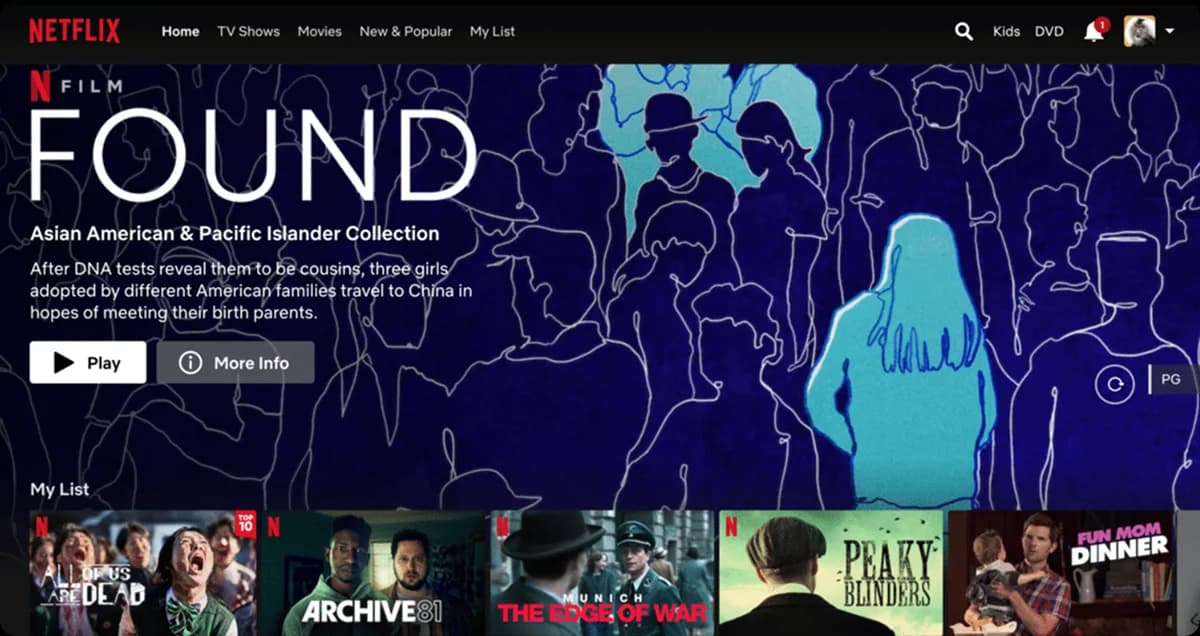
Netflix recommendation and thumbnail optimization systems function as retention automation, keeping relevance high and churn low.
- 80% of total viewing driven by recommendations
- $1B saved annually through churn reduction
- Longer average viewing sessions
4. Coca-Cola - Interactive Co-Creation at Scale
Coca-Cola used AI-assisted co-creation campaigns to turn audience participation into branded cultural interaction.
- 120,000+ user-generated artworks
- Average session time over 7 minutes
- Global campaign expansion across multiple formats
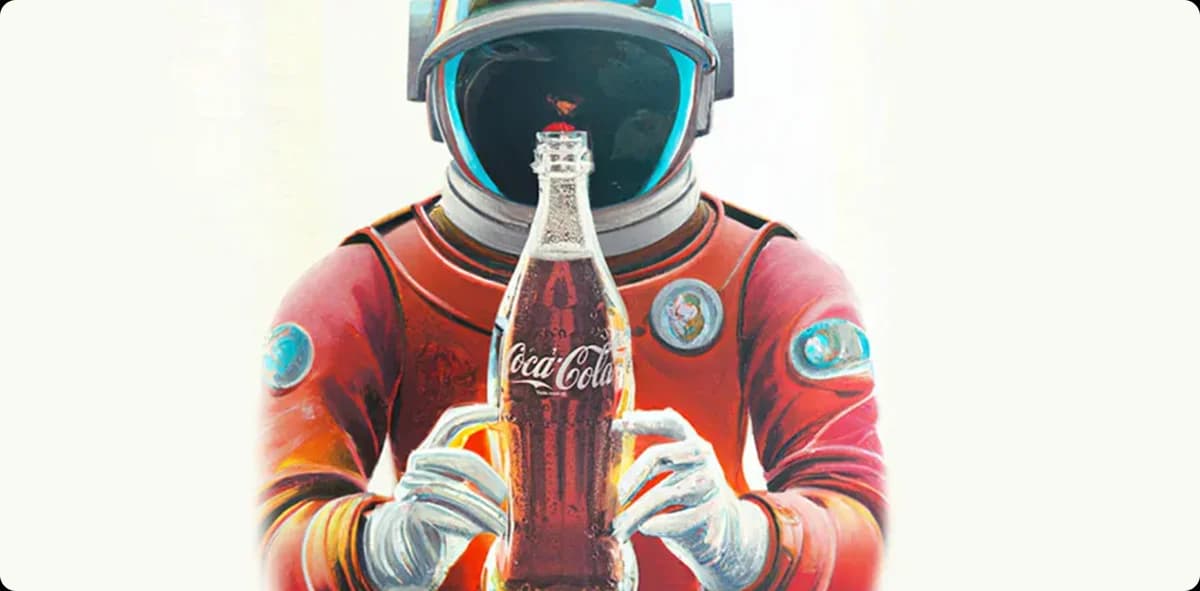
5. Heinz - Cultural Default Positioning
Heinz used AI-generated imagery prompts to reinforce category dominance: when AI drew ketchup, it resembled Heinz packaging.
- 1.15B impressions
- 38% higher engagement than previous campaigns
6. Nike - Demand Forecasting and Data-Driven Storytelling
Nike uses predictive launch targeting and AI-powered narrative production to improve sell-through while amplifying brand stories.
7. Sephora - Personalization Across Channels
Sephora combines in-store scanning, virtual try-ons, and predictive follow-up recommendations for unified omnichannel personalization.
- 35% higher online conversion
- 25% fewer returns from better color matching
- Improved trust in digital recommendations
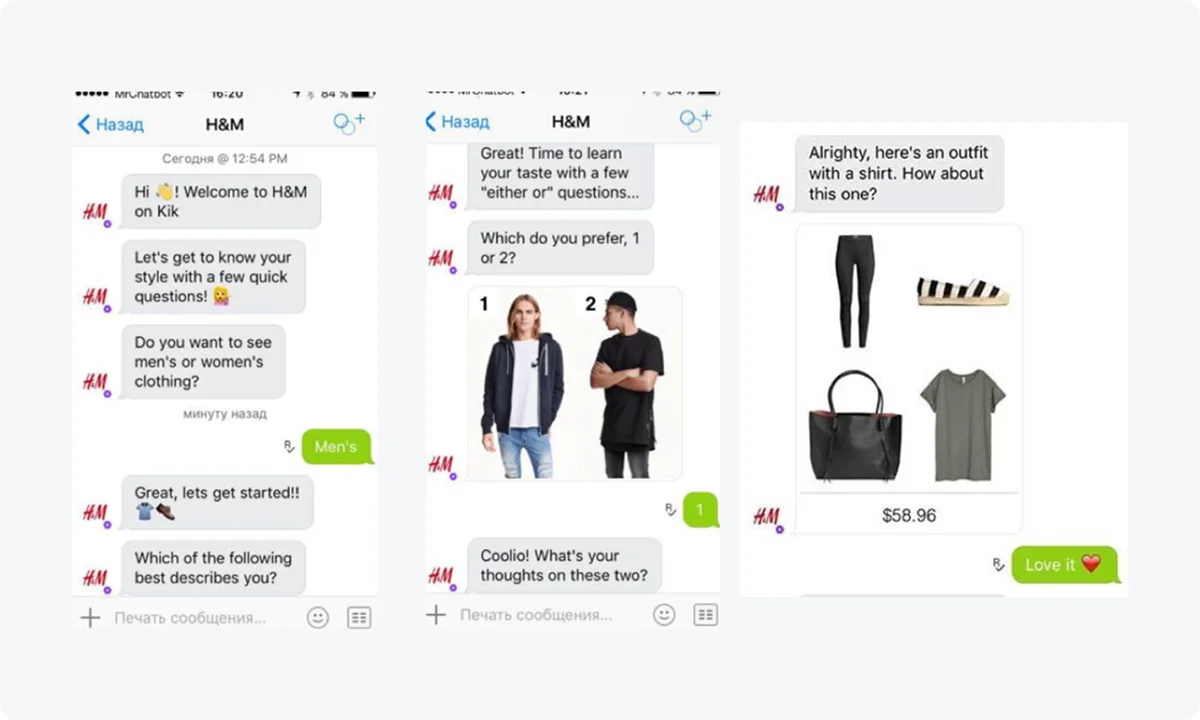
8. H&M - Conversational AI as Personal Stylist
H&M blended conversational support and product recommendations to turn chat interactions into high-intent shopping flows.
- 70% of chatbot interactions led to product page visits
- 40% recommendation-to-purchase conversion
- 15% increase in average order value
9. Spotify - Contextual Advertising Through Listening Signals
Spotify maps listening behavior to context and mood, then serves ad messaging aligned with user state rather than broad demographics.
- 2.7x ad recall lift
- 20% higher click-through rates
- 50% better ROI vs generic targeting
10. Diageo - Personalized Cocktail Discovery
Diageo uses preference modeling to recommend recipes and products, converting passive browsing into personalized product discovery.
- 64M impressions
- 4x CTR above industry benchmarks
- 51M consumer profiles built
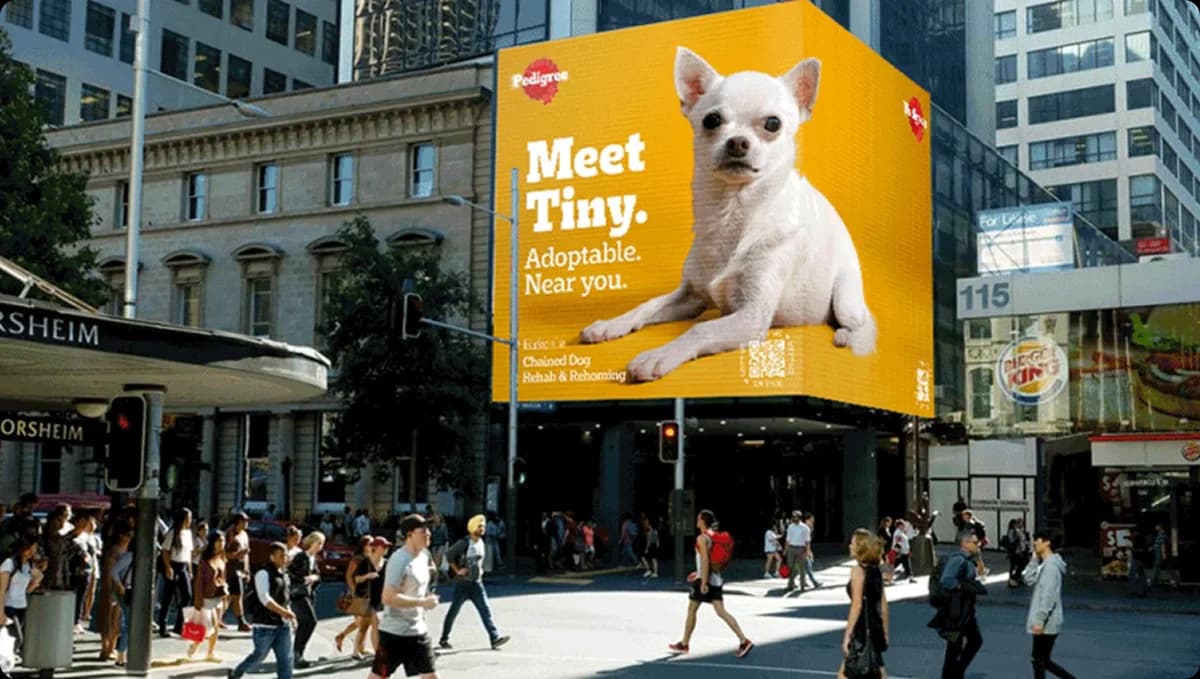
11. Pedigree - Adoption Campaign Automation
Pedigree used AI to improve shelter-dog imagery and target local adoption audiences at scale.
- 50% of featured dogs adopted within two weeks
- 6x increase in shelter traffic
12. Virgin Voyages - AI Celebrity-Led Personalization
Virgin Voyages deployed AI-driven personalized outreach with a virtual celebrity persona to increase campaign memorability and engagement.
13. Klarna - Automated Creative Production
Klarna compressed seasonal production timelines through automated creative generation and variation testing.
- 1,000+ new assets in one quarter
- Production cycle cut from 6 weeks to 7 days
- $10M annual marketing cost savings
14. Farfetch - Smarter Email Automation
Farfetch used AI-generated and continuously optimized email copy for both promotional and triggered campaigns.
- 7% lift in promotional email opens
- 31% lift in triggered email opens
- Up to 38% increase in click-through rates
15. Target - Predicting Life Events
Target used predictive purchasing signals to identify key customer life stages and trigger highly relevant product campaigns earlier than competitors.
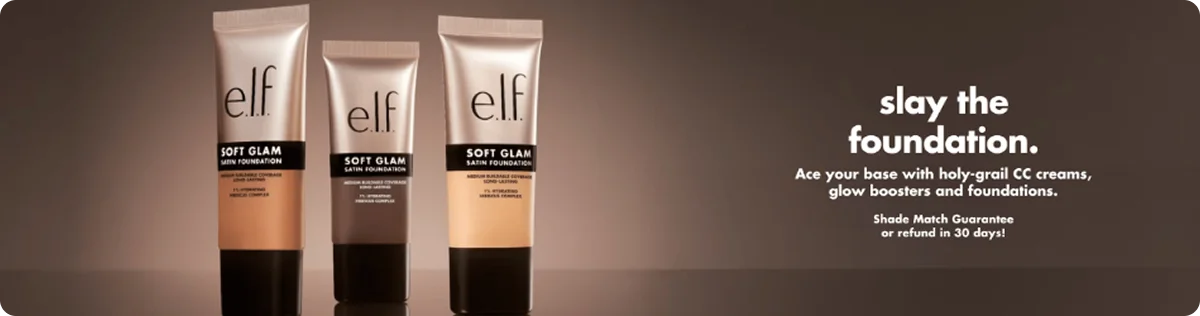
16. e.l.f. Beauty - Always-On Gen Z Optimization
e.l.f. uses continuous AI creative generation and testing loops to maintain relevance and engagement on youth-focused social channels.
17. Toys R Us - AI-Powered Rebrand Storytelling
Toys R Us used AI-generated brand storytelling video to accelerate production and signal a modernized identity for a new generation.
How SMBs Can Apply These Patterns
What used to require enterprise budgets is now accessible through integrated AI marketing platforms. Small and mid-sized teams can automate content production, ad execution, engagement, and optimization from one operating layer.
- Automate content and ad creation with approval checkpoints
- Connect product data to campaign generation workflows
- Run 24/7 engagement and lead-response loops
- Use real-time budget reallocation based on demand signals
For a step-by-step framework that turns these examples into a working system, read our automation framework. You can pair that with the platform setup guide to evaluate which platform setup can support continuous execution.
FAQs
What is AI in marketing automation?
It is the use of AI models to personalize content, optimize timing and spend, and automate campaign workflows with less manual execution.
Which brands are leading in AI-driven marketing automation?
Amazon, Starbucks, Netflix, Sephora, H&M, Spotify, Nike, and others are among the strongest examples of measurable AI-driven performance improvements.
What results are most common?
The most repeated outcomes are higher ROI, stronger engagement, lower churn, reduced waste, and faster creative cycles.
What are the risks?
Over-automation can reduce authenticity, and compliance, privacy, and bias risks increase without human oversight and strong governance.
What is next?
Expect broader adoption of predictive budgeting, generative creative testing, and semi-autonomous campaign execution with marketers focusing more on strategy and control systems.