 By Yuval Strutti
AI is now core infrastructure for social media marketing. In a short window, major platforms moved from isolated AI features to full generative and predictive workflow integration.
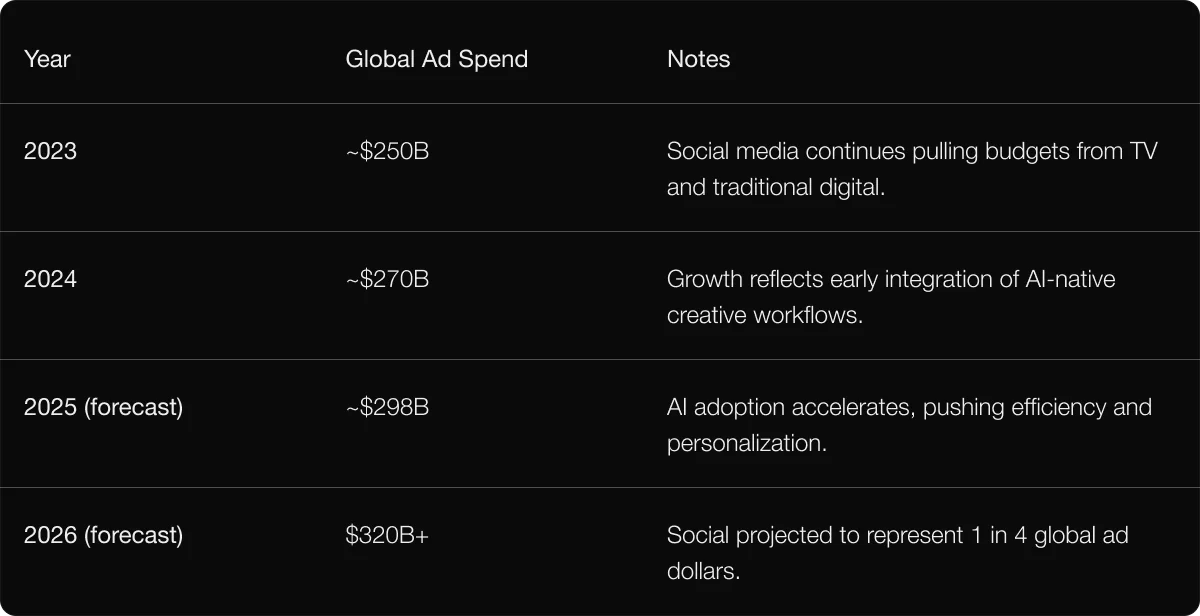
As social ad investment approaches $300B globally, brands face a simple reality: execution speed, relevance, and compliance are now linked.
AI Going From Experiment to Infrastructure
By 2025, AI is no longer a future-facing feature. It is the operating layer for campaign creation, targeting, optimization, and governance.
Regulation reinforces this shift. The EU AI Act introduces disclosure and transparency obligations with significant penalties, making compliance design as important as content quality.
Major AI Trends Reshaping Social Media
1. Generative AI Content Creation Goes Mainstream
Generative AI now powers routine social operations across industries: captioning, repurposing, translation, image generation, and short-form video production.
2. AI-Powered Predictive Analytics
Predictive systems now inform posting schedules, message framing, and budget allocation using expected behavior rather than retrospective reporting.
3. AI Agents and Intelligent Automation
Modern AI agents can run customer interaction loops in real time, handling support, lead qualification, and personalized response flows.
4. Social Commerce Expansion
AI accelerates social commerce through recommendation systems, virtual try-ons, conversational purchase flows, and in-platform conversion pathways.
5. Hyper-Personalization as Baseline
User expectations have shifted from broad targeting to individualized journeys. Dynamic creative and audience-aware adaptation are quickly becoming the standard.
Platform Spotlights
TikTok
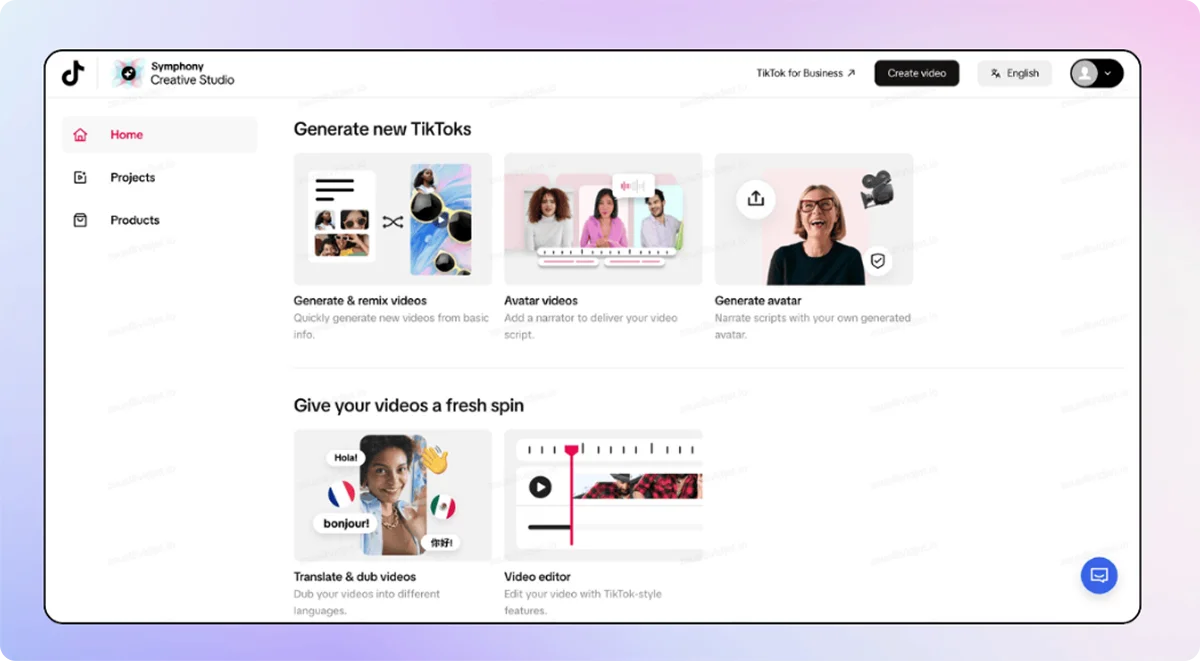
TikTok Symphony Creative Studio enables text-to-native-ad generation, image-to-video transformation, and scalable product showcases aligned with platform style conventions.
Meta
Meta’s AI stack automates ad variations, reallocates spend in real time, and introduces disclosure labeling across generated assets.

YouTube
Dream Screen and multilingual dubbing workflows push faster short-form production while mandatory synthetic content labels set provenance expectations.
Snap
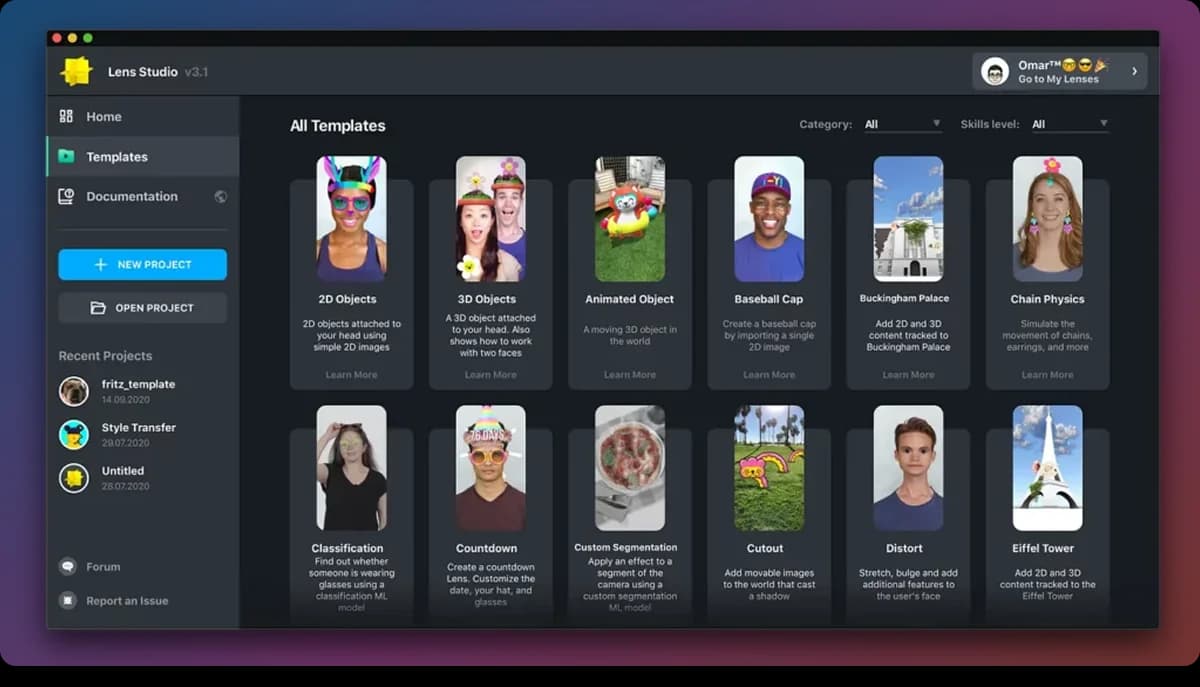
Sponsored AI lenses and prompt-driven AR creation lower production barriers for immersive branded campaigns.
Pinterest combines AI image scene generation with transparency controls to support commerce-oriented visual discovery.
LinkedIn Accelerate shortens B2B campaign setup and optimization cycles while integrating with expanding native video workflows.
Emerging Tools and Workflows in 2025
Ideation and Copywriting
AI assistants now generate platform-specific post concepts and drafts from campaign goals, reducing blank-page friction and increasing publishing velocity.
Design and Image Production
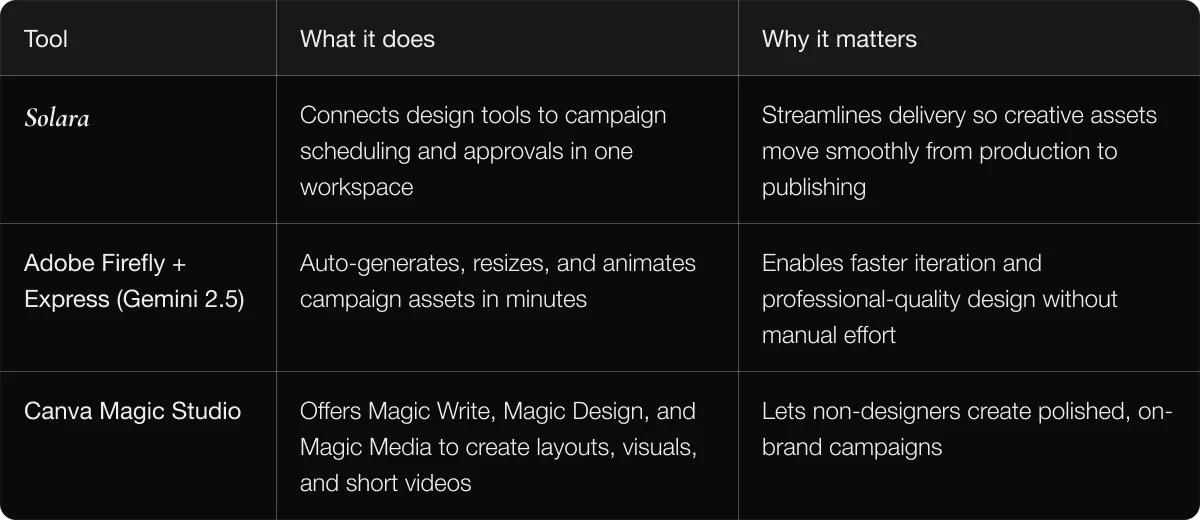
Auto-resizing, prompt-based scene generation, and brand-aligned visual templating let small teams ship multi-channel assets at enterprise speed.

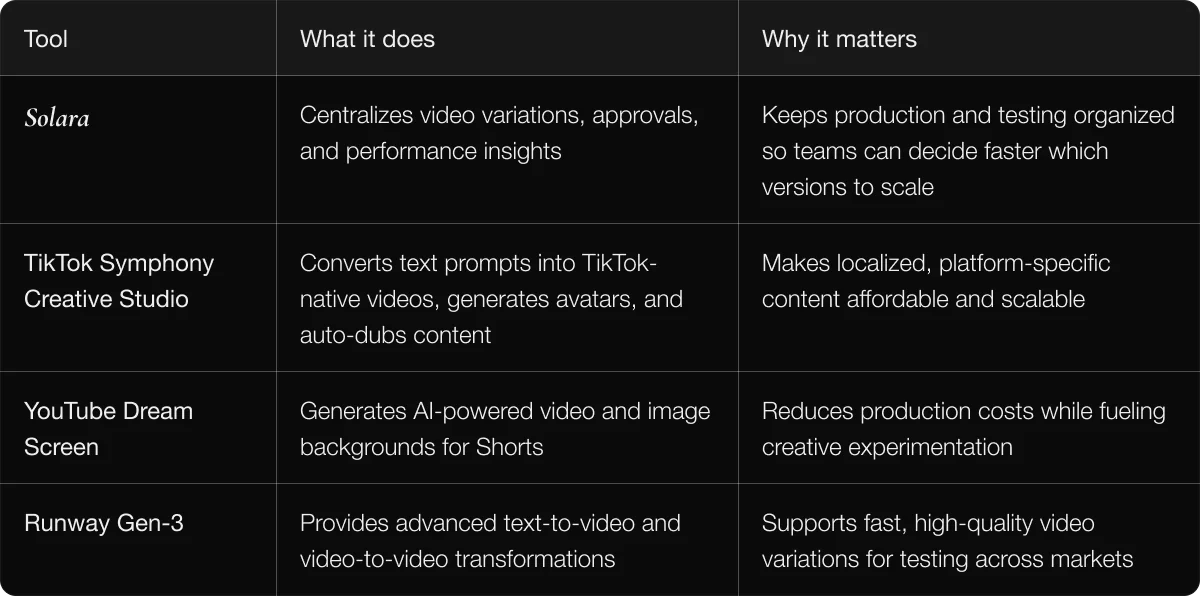
Video Creation
Text-to-video and multilingual localization workflows compress short-form production timelines from weeks to hours.
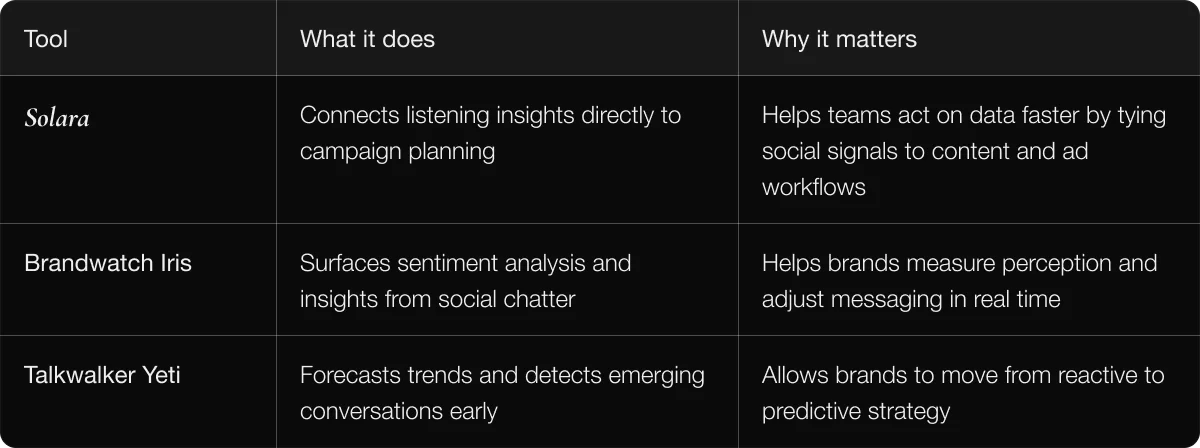
Analytics and Social Listening
AI listening systems now identify emerging narratives and reputation risks early enough for strategic message adjustment before trend peaks.
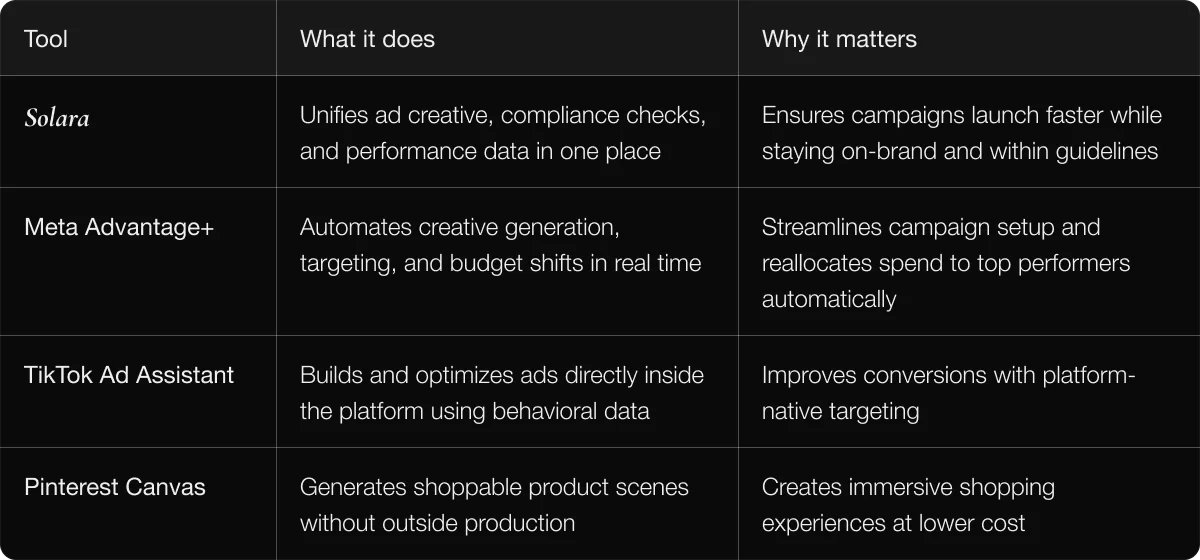
Ad Automation
Creative generation, audience targeting, and budget optimization can now run continuously with human review focused on strategy and guardrails.
Compliance, Provenance, and Trust
Disclosure and provenance are becoming structural requirements. Platform labeling standards and metadata preservation are now part of campaign quality, not legal afterthoughts.
- YouTube requires synthetic/altered content labels.
- Meta adds AI info tags to generated assets.
- TikTok supports C2PA metadata labeling workflows.
- Pinterest introduces AI labeling and filtering controls.
Spend Outlook and Scenarios
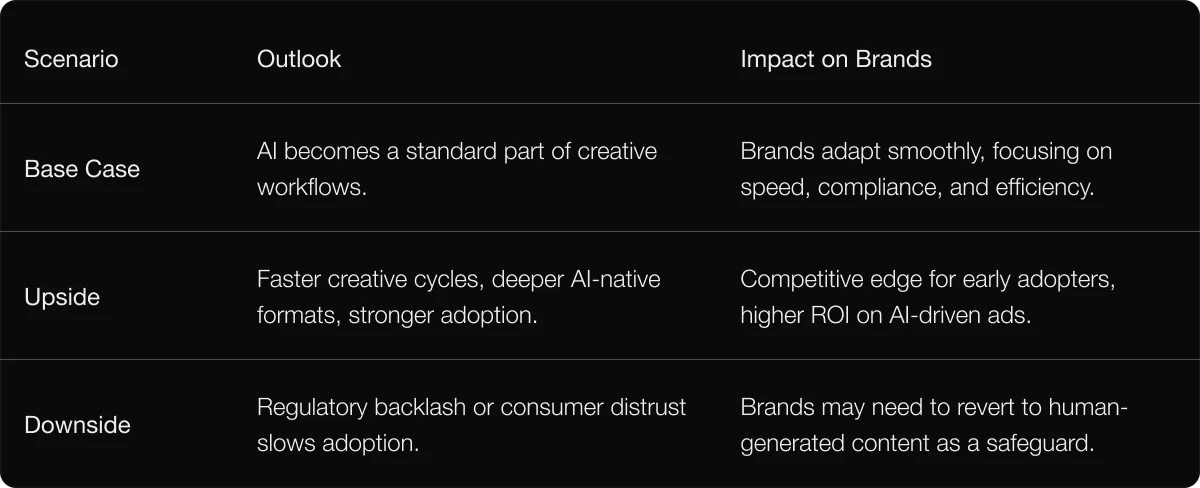
Ad budgets continue shifting from traditional channels to social, with AI-native formats accelerating this movement. Upside scenarios favor teams that combine speed, provenance, and relevance; downside scenarios center on policy shocks and trust erosion.
Key Takeaways for Brands
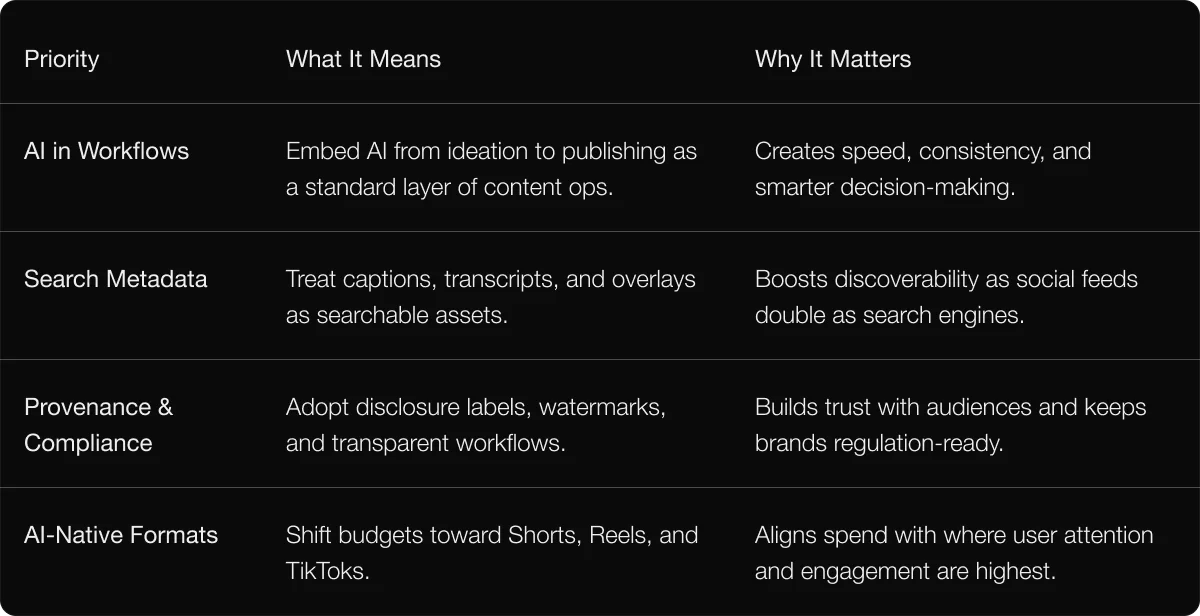
- Treat AI as baseline workflow infrastructure, not an experiment.
- Use captions, overlays, and transcripts as discoverability metadata.
- Bake disclosure and provenance into campaign production by default.
- Reallocate budget toward short-form and AI-optimized formats.
- Differentiate through strategy and brand signal, not tool access alone.
Turning Insight Into Action with Solara AI
Solara AI combines campaign planning, creative generation, ad execution, and learning loops in one system. Teams can use Autopilot for full execution or Co-Pilot for review-based control while keeping performance, iteration, and consistency centralized.
FAQs
Will LLMs replace social media managers?
No. LLMs automate production and response workflows, but strategy, positioning, and governance remain human-led functions.
How are LLMs used in social media now?
They are used for copy generation, campaign drafting, customer response automation, localization, and format conversion at scale.
What disclosure rules matter most?
Platform-specific synthetic content labels and regional regulation such as the EU AI Act are currently the most material requirements.
Can LLMs improve social commerce?
Yes. They improve product recommendation quality, conversational shopping flows, and contextual relevance that increases conversion probability.
What risks do LLMs introduce?
Primary risks include misinformation, bias amplification, provenance loss, and user trust degradation when labeling is inconsistent.