 By Yuval Strutti
![8 Strategies to Make Your E-Commerce Ads Sell [+Pro Tips]](/_next/image?url=%2Fblog%2Fimages%2F690a2a93b4380403a8542603_Frame-2131330141.webp&w=3840&q=75&dpl=dpl_51TBxyqS9ifcYCNZoNXwLz1PPrbQ)
Customer acquisition costs have risen 40% since 2023. Attention spans are shorter. Ad platforms are more competitive. And yet, some brands are consistently outperforming their competitors on the same channels with the same budgets. The difference isn't spend — it's strategy.
These eight strategies are what separate the e-commerce brands that scale from those that stall. Each one is backed by data and illustrated with real brand examples.
Key takeaways: Storytelling outperforms discounting. Real people build real trust. Data improves creative decisions. Video is now the primary format. Retargeting recovers intent.
Strategy 1: Lead With Storytelling, Not Discounts
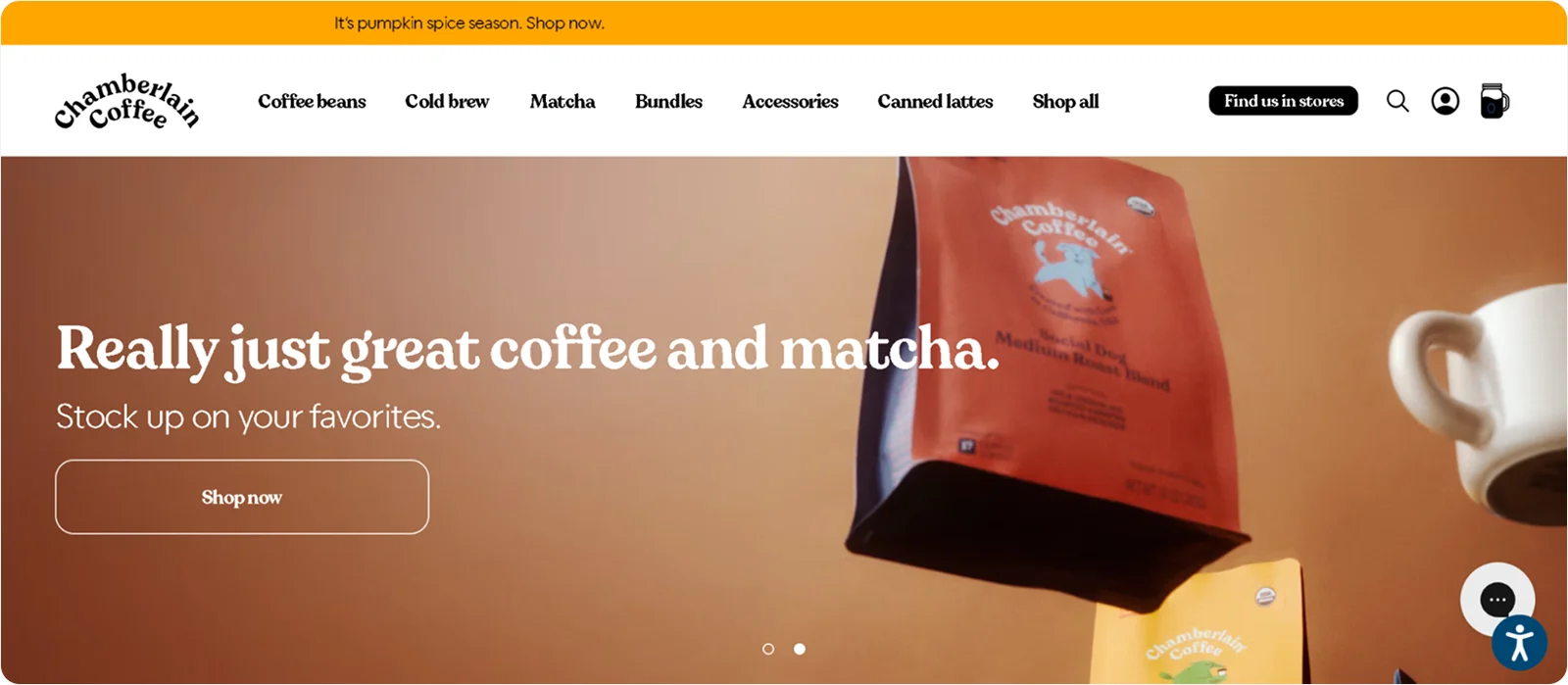
Discount-first ads train customers to wait for sales. They erode margin and attract the wrong buyers. Chamberlain Coffee built a loyal customer base by leading with Emma Chamberlain's authentic relationship to coffee — the product came second to the story. The result: emotional resonance that a 10% off coupon can't buy.
Storytelling ads generate 31% higher engagement than promotional ones. The story doesn't have to be elaborate — it just has to be true. Show why the product matters, not just what it does.
- Lead with a relatable problem or desire, not a product feature
- Use real language — not polished ad copy — in the first 3 seconds
- Connect the product to an identity or aspiration the audience holds
- Save pricing and offers for the middle or end of the ad
Strategy 2: Build Trust With Real People
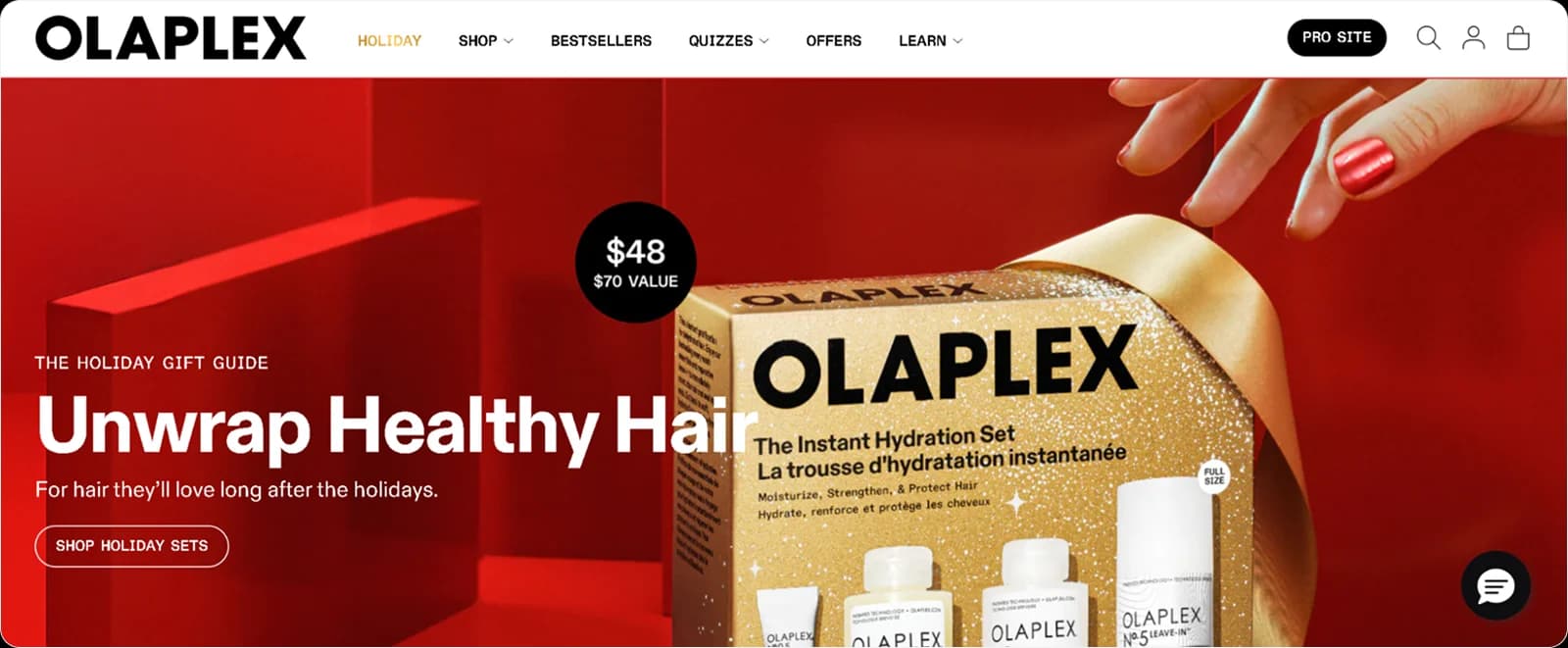
Glossier and Olaplex built billion-dollar brands largely on community content. 92% of consumers say they trust recommendations from real people over brand advertising. UGC-style content doesn't just look authentic — it is authentic, and audiences can tell the difference.
You don't need a massive creator network to execute this. A handful of genuine customers or micro-creators, paired with a clear brief and real products, produces content that outperforms expensive brand shoots.
- Source real customers for testimonials and demos
- Keep creative direction light — let authenticity come through
- Use micro-creators with genuine product affinity over big names with vague alignment
- Test UGC content against polished ads — the data usually favors real people
Strategy 3: Let Data Inform Creative Decisions
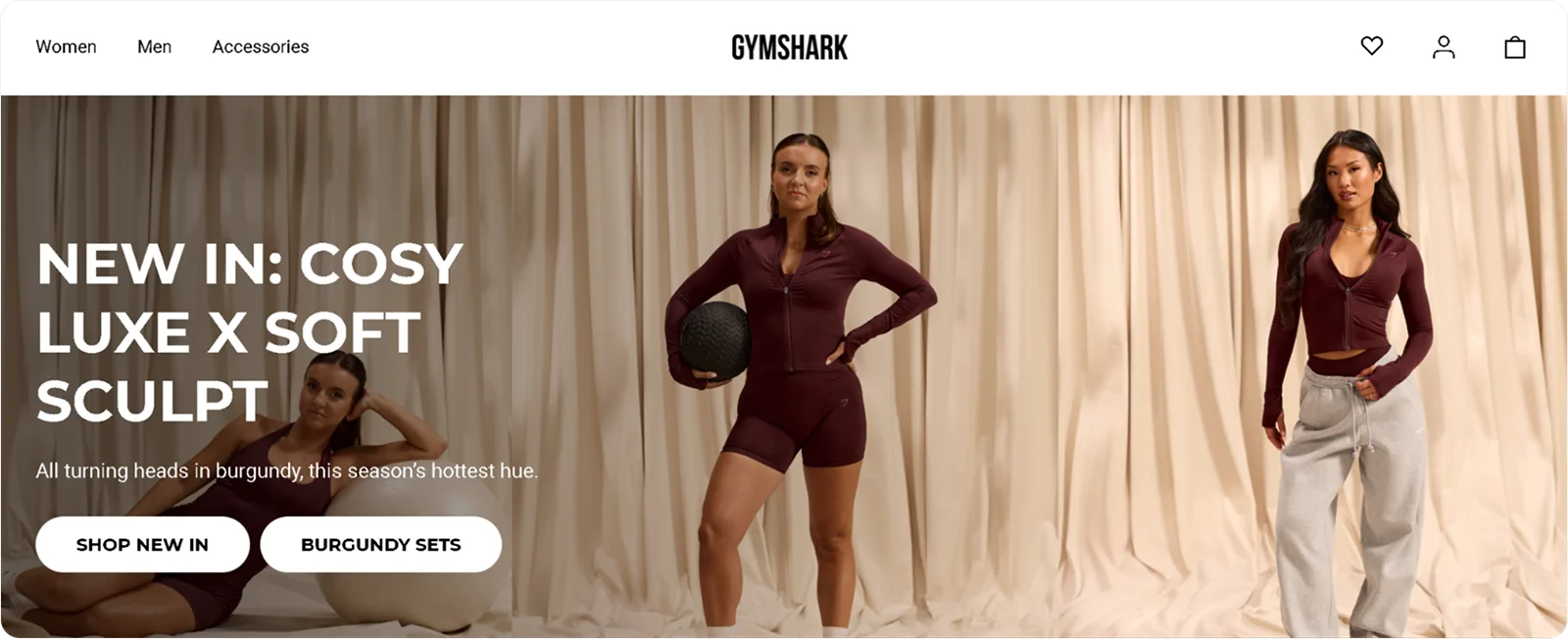
Gymshark doesn't guess which ads to run — it tests systematically and scales what works. Data-informed creative development consistently produces 5–8% higher ROI than creative developed purely on instinct.
Start by analyzing your best-performing past campaigns. What hook drove the most watch time? Which format had the highest click-through? Build your next creative iteration around what the data shows, not what you think looks best.
- Run structured A/B tests with one variable changed at a time
- Measure hook performance separately from overall ad performance
- Feed performance data back into your next content brief
- Don't let winning creative run indefinitely — test fresh variations before fatigue sets in
Strategy 4: Personalize Every Ad Experience
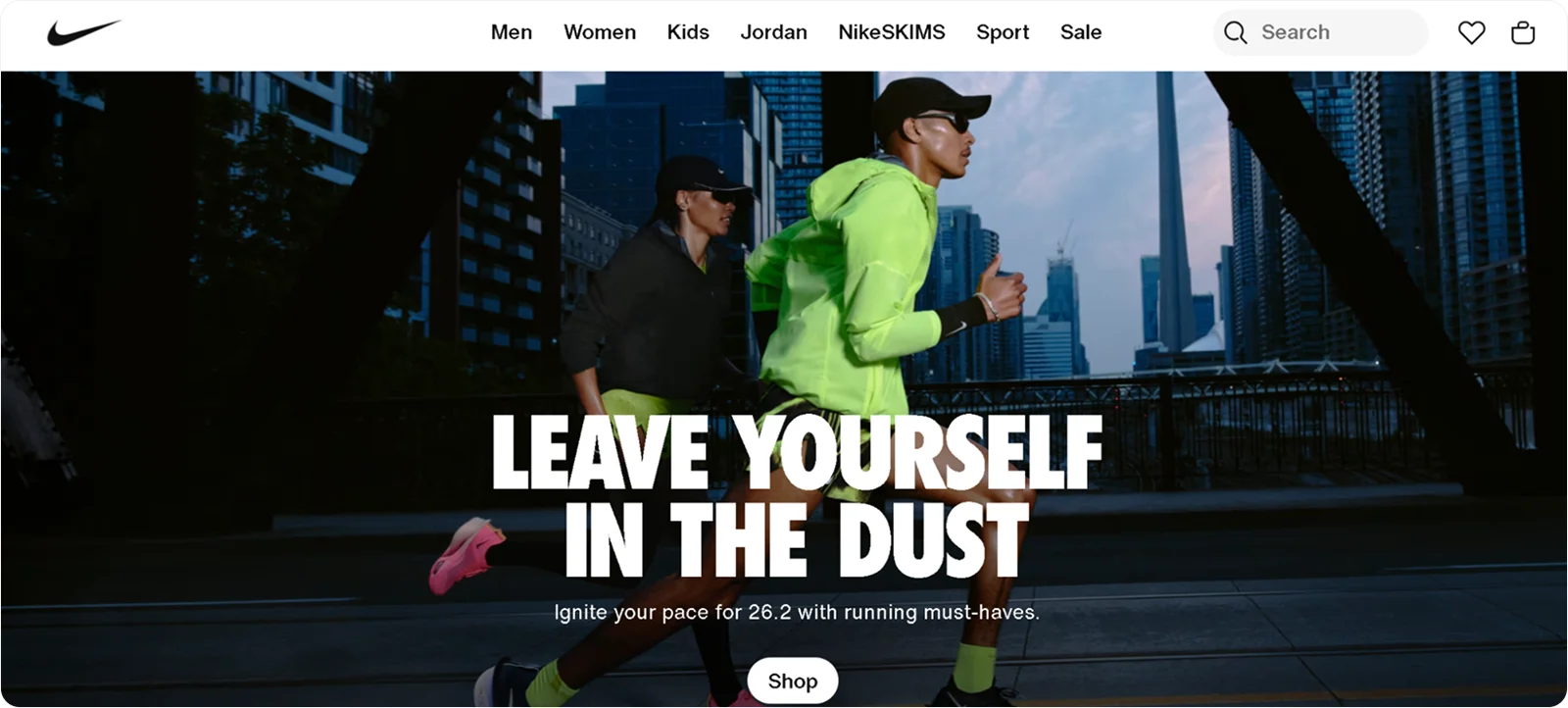
Nike's personalized product recommendations and targeted campaign messaging deliver 80% higher conversion rates than generic ads. Personalization at scale is now possible without a large engineering team — modern ad platforms support dynamic content insertion, and AI tools handle segmentation automatically.
- Segment by recent behavior, not just demographics
- Use dynamic creative for retargeting — show the exact product they browsed
- Localize messaging for different markets rather than running one global ad
- Personalize landing page content to match the specific ad that sent the visitor
Strategy 5: Make Video Your Primary Format
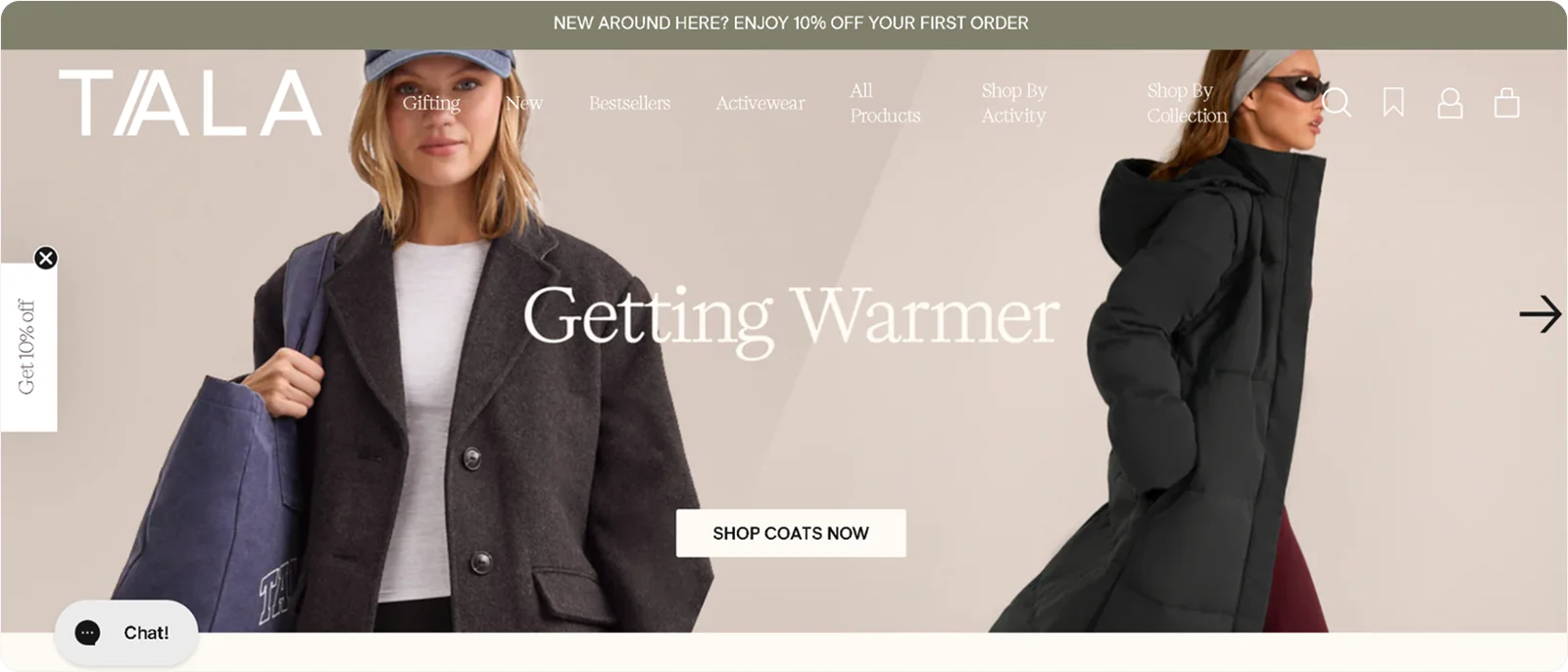
TALA (UK activewear brand) scaled its entire customer acquisition strategy around video-first creative. Customers are 82% more likely to purchase after watching a product video. Short-form video now accounts for the majority of ad impressions across Meta, TikTok, and YouTube.
- Prioritize vertical video (9:16) for mobile-first audiences
- Hook in the first 2 seconds — the rest of the ad depends on it
- Show the product in real use context, not static display
- Produce multiple short variations rather than one long video
Strategy 6: Turn Customers Into Creators
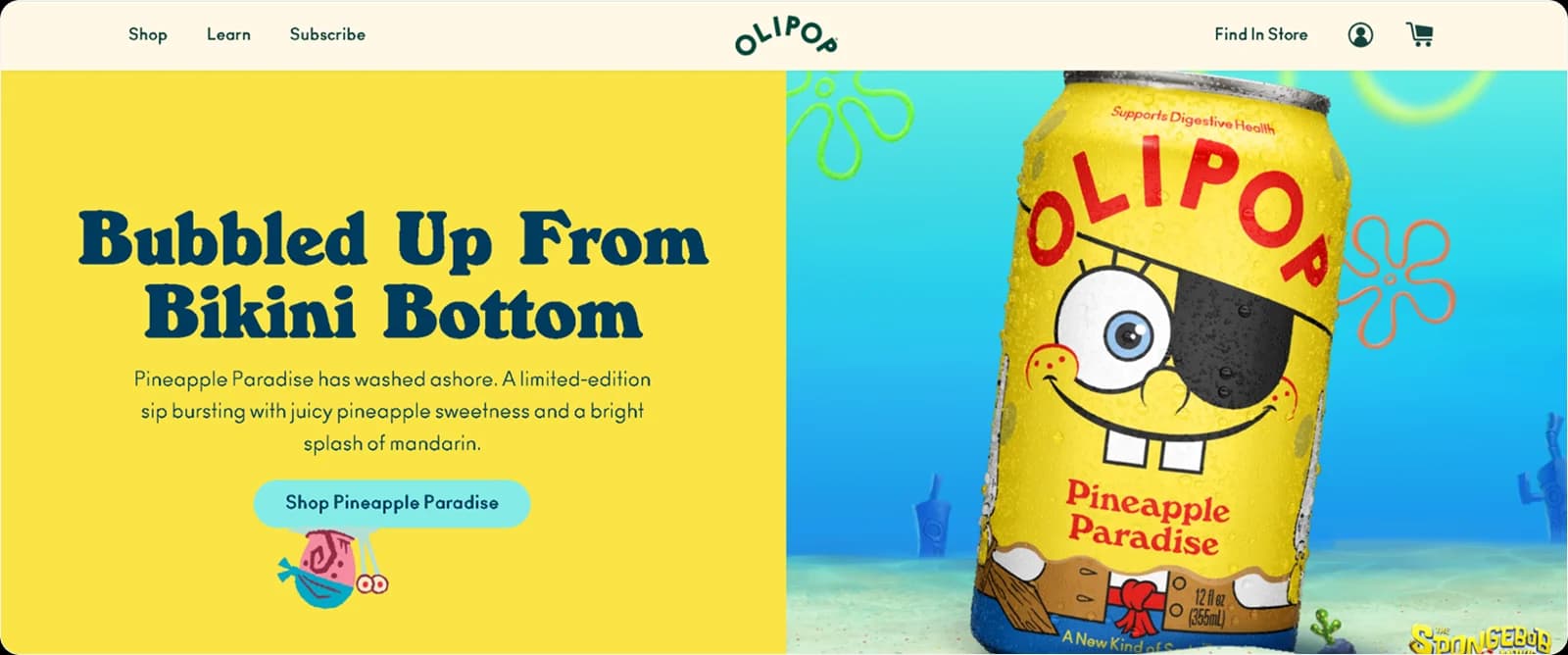
Olipop built one of the most effective DTC content engines by turning real customers into content creators. The brand actively encourages sharing, reposts genuine content, and uses real customer stories in paid campaigns. This flywheel generates authentic content at near-zero cost — and it performs because it's genuinely real.
- Create a hashtag and actively encourage sharing
- Repurpose customer-generated content in paid ads (with permission)
- Seed product with customers who have authentic affinity, not just reach
- Build a clear content brief for customers who want to create more formally
Strategy 7: Optimize Every Touchpoint for Mobile
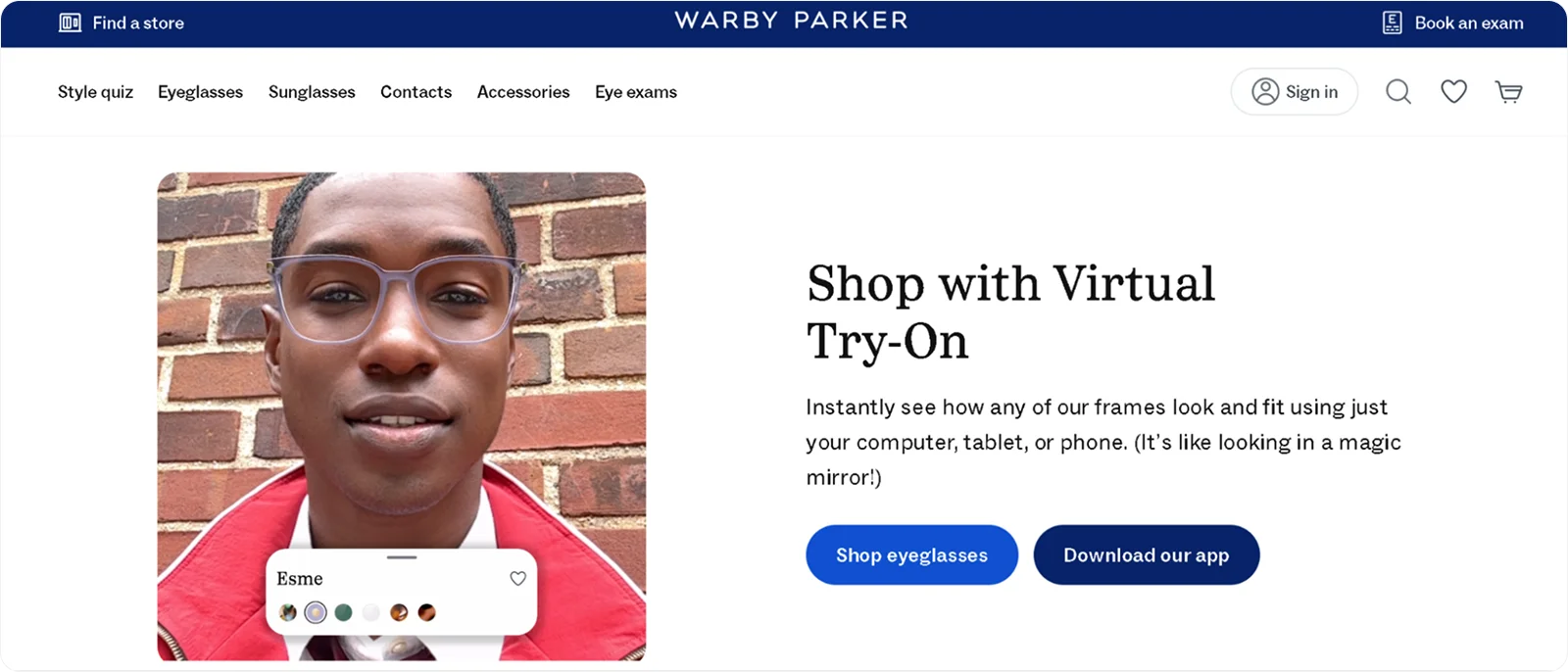
73% of e-commerce traffic now comes from mobile devices. Warby Parker's mobile experience is optimized at every stage — from ad creative to landing page to checkout. If a single step in the funnel isn't mobile-native, you're losing conversions.
- Test your full purchase funnel on mobile before any campaign launches
- Use one-click checkout options (Apple Pay, Google Pay, Shop Pay)
- Compress page load times — every second of delay costs 7% in conversions
- Design landing pages for thumbs, not mice
Strategy 8: Win Back Clicks That Got Away
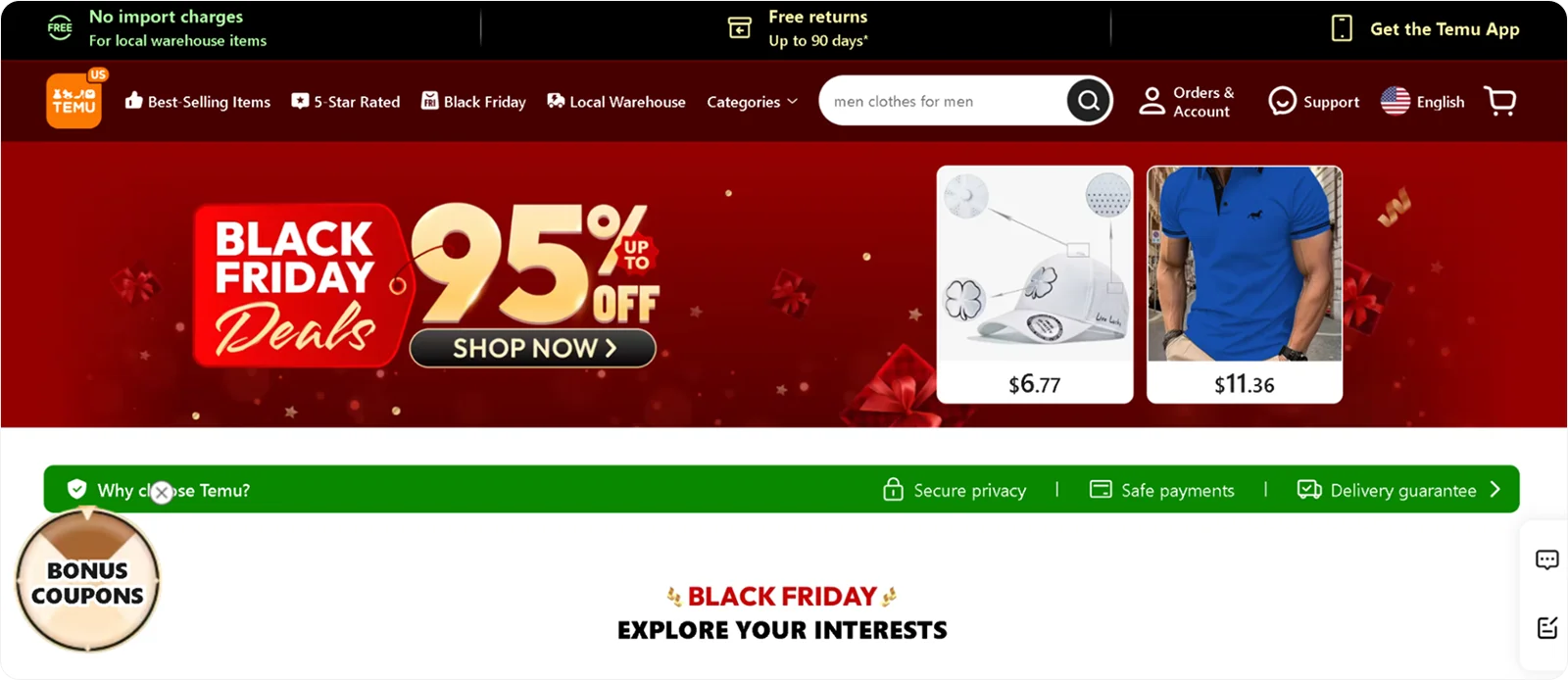
Temu's aggressive retargeting strategy keeps it consistently visible to visitors who browsed but didn't convert. Retargeting campaigns have a 10x higher click-through rate than standard display ads — because the audience already knows the brand. The key is showing the right creative at the right time, not just re-running the same ad.
- Segment retargeting audiences by how far they got in the funnel
- Show product-specific ads to visitors who viewed specific items
- Use time-based sequencing — different messages at 1 day, 3 days, 7 days post-visit
- Add social proof elements (reviews, ratings) to retargeting creatives
Running Smarter Campaigns with Solara
Solara covers the creative half of these strategies without extra headcount: it writes your scripts, texts them to you, and turns two minutes of phone footage into a finished, captioned video published to TikTok, Instagram and Facebook. It does not run the ad side.
- AI video generation with UGC-style authenticity
- Automated campaign management across Meta, Google, and TikTok
- Dynamic retargeting with performance-optimized creative
- Real-time analytics and continuous campaign improvement
- Full marketing system from content creation to conversion tracking
If your priority is ad creative system design, the ad generation system guide covers the full execution model in detail. For broader orchestration and optimization loops beyond ads, read our marketing automation guide.
The brands winning on paid channels in 2025 are doing more than running ads — they're building systems. Systems that learn, adapt, and improve automatically while the team focuses on strategy and growth.